Limits of AI Interior Design
A practical explanation of where AI room design helps, where it fails, and how to use generated interiors without making expensive mistakes.
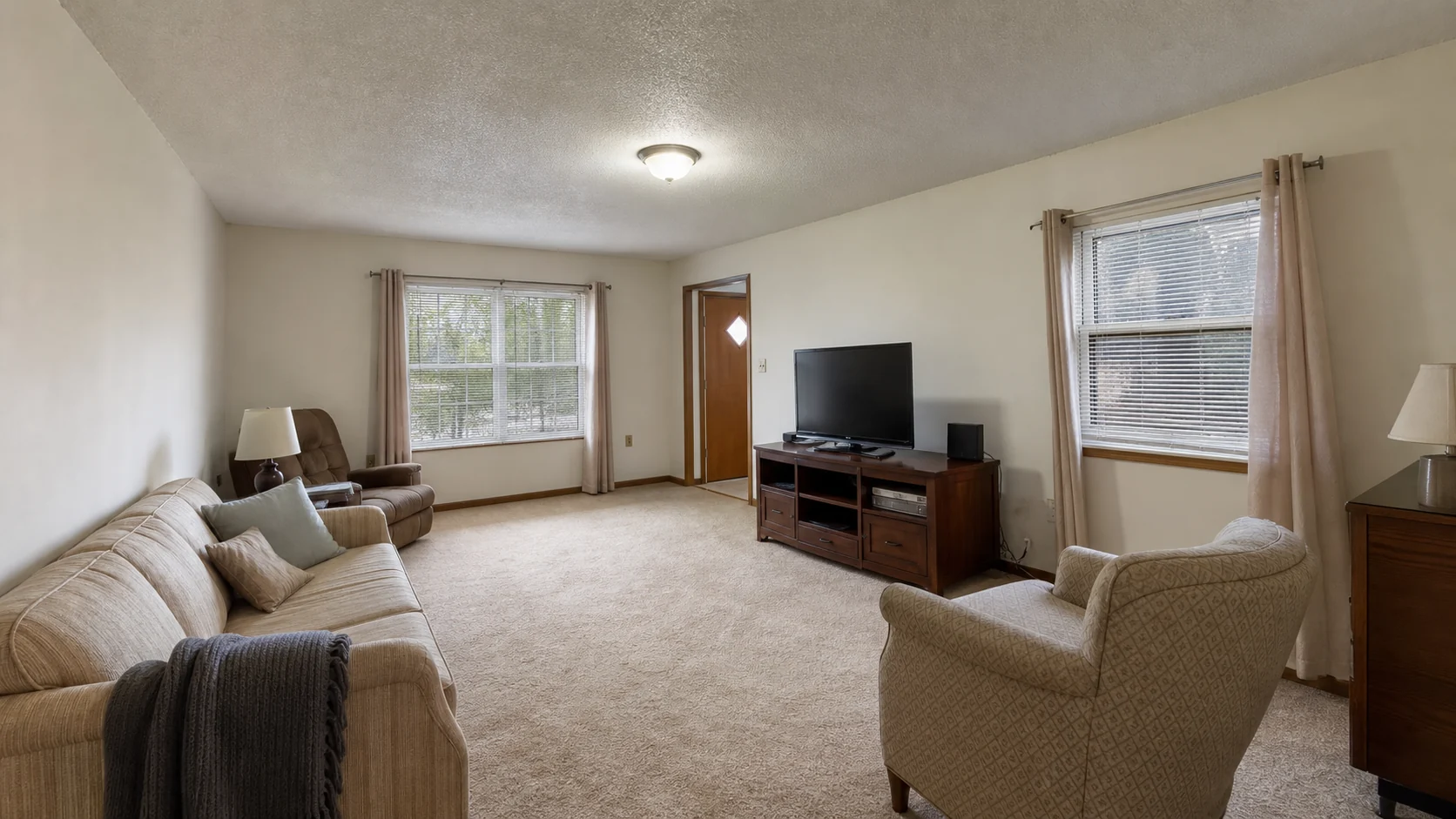
AI interior design tools are useful, but the weak spots matter. A generated room can be beautiful and still be impossible, misleading, or expensive to execute.
This guide is intentionally about limits because those limits define the safest way to use the tool.
AI is good at visual direction
AI can quickly show a room in different moods: Japandi, mid-century, coastal, farmhouse, industrial, organic modern, and more. It can test color, furniture density, lighting mood, and decor direction.
That is valuable because many expensive mistakes start as vague taste decisions. Seeing several options can make your preference clearer.
AI is weaker at measurement
The model does not reliably know the exact room dimensions. It may add a sofa that is too deep, a rug that is too large, or a cabinet that blocks a door swing.
Before buying furniture or materials, measure the room and check product dimensions.
AI can change structure
Even when prompted to preserve architecture, generated results can shift windows, change door placement, alter ceiling lines, or invent built-ins. Sometimes the change is subtle.
For planning, this means you should compare the result against the original photo before treating it as useful.
AI does not know your budget
A calm luxury render may imply expensive stone, custom millwork, designer lighting, and new flooring. The image does not include a real quote.
If budget matters, use the AI result as a mood direction, then translate it into affordable choices.
AI is not a professional sign-off
AI Interior Lab does not replace an architect, designer, contractor, inspector, landscaper, or local code expert. It can help with early exploration and communication. It cannot approve structural work or safety decisions.
The safer workflow
Use AI to generate several directions. Reject outputs that change the room too much. Save the ideas that clarify style, color, lighting, and layout. Then bring those references into a real decision process with measurements, budget, and professional review when needed.
The product is strongest when used as a visual lab, not as an oracle.
Test the direction on your own room
The guest path creates one public, watermarked 1K preview after explicit consent. Sign in and use Credits when the room needs to stay private or you want to refine versions.
Open Studio